

Equipment
Solar panels
Photovoltaic modules for homes, businesses and agribusiness, sized against the real consumption of each installation.






Equipment
Photovoltaic modules for homes, businesses and agribusiness, sized against the real consumption of each installation.
Equipment
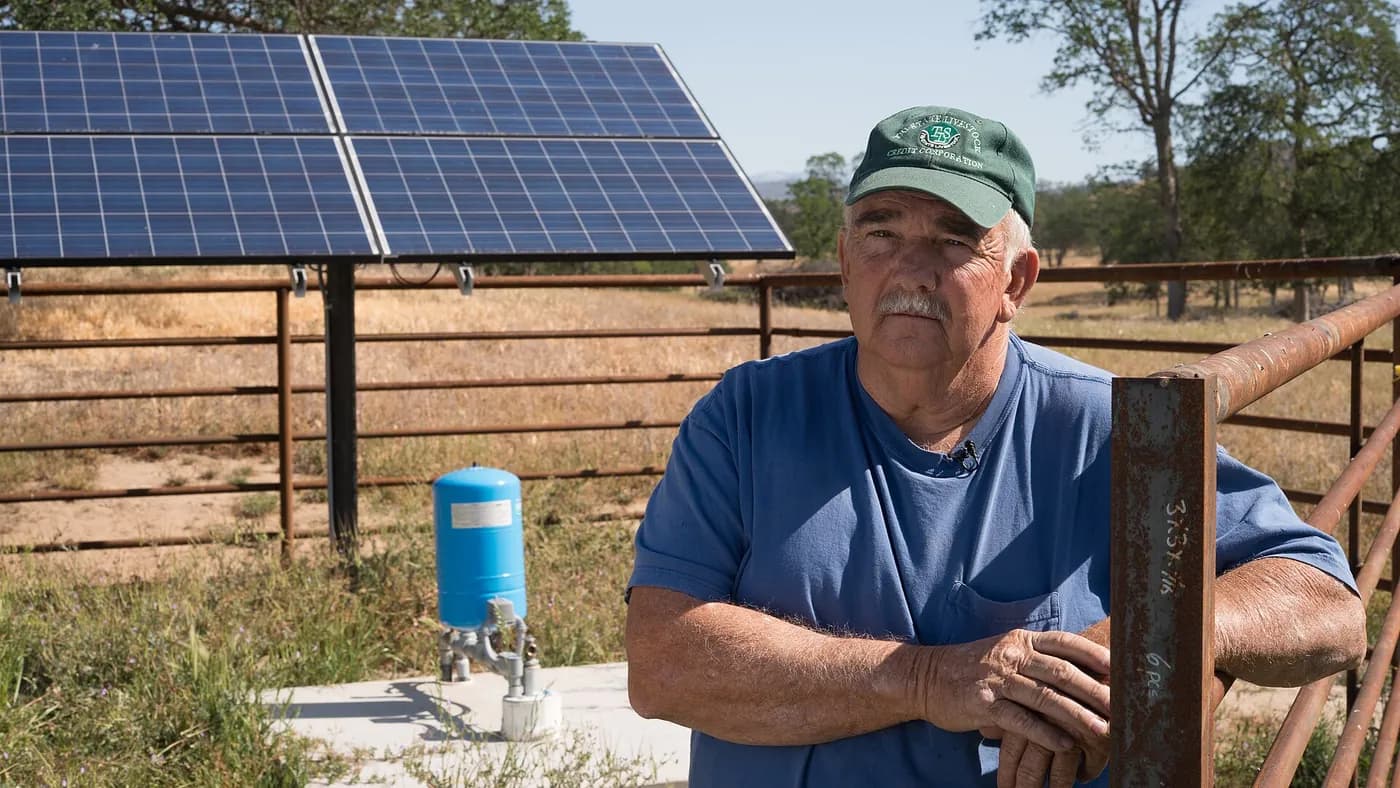
Sun-powered pumping for wells, irrigation and livestock supply, with no dependence on the grid or on diesel.
Services
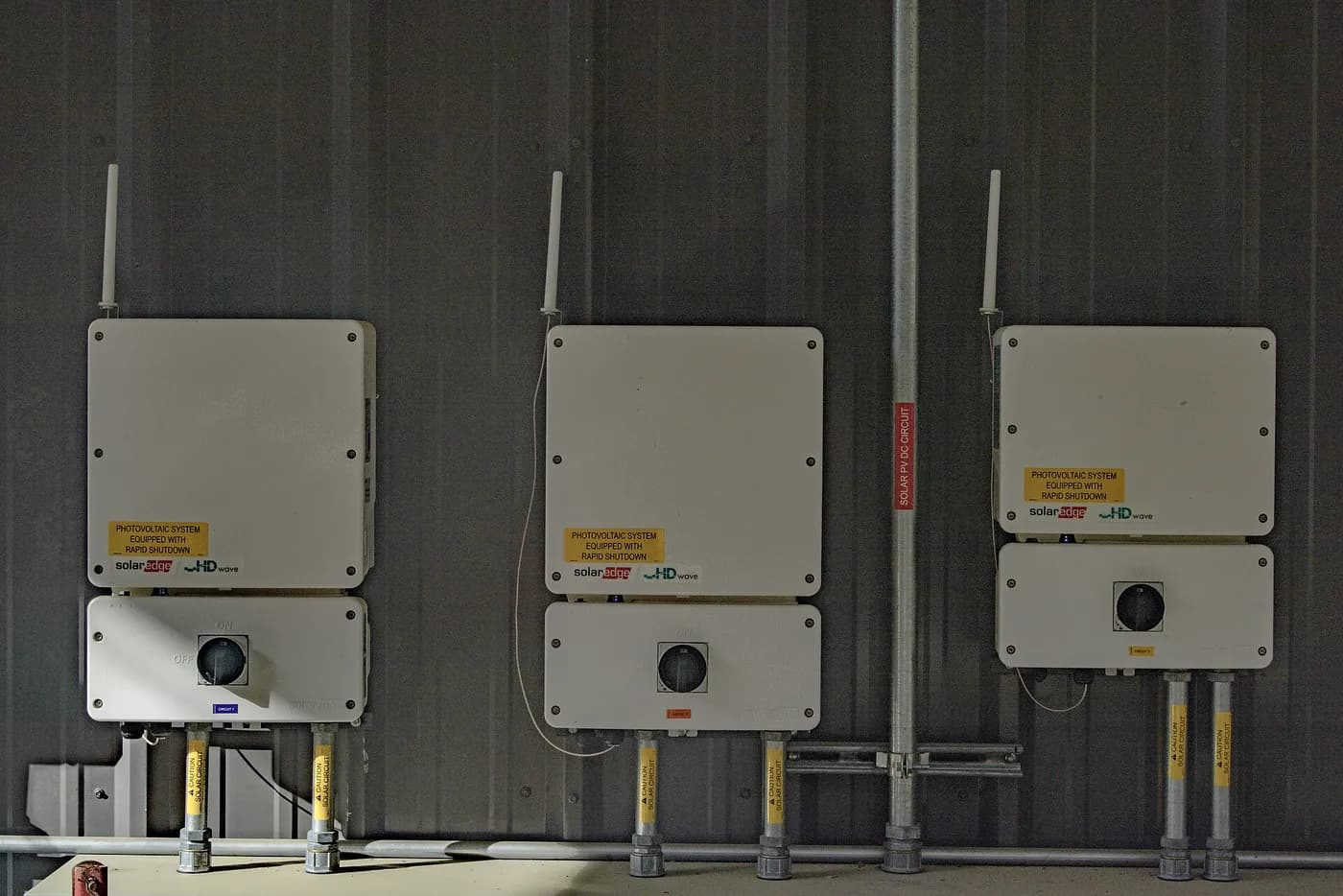
Generation and consumption tracked in real time, with alerts when a system produces less than it should.
Services
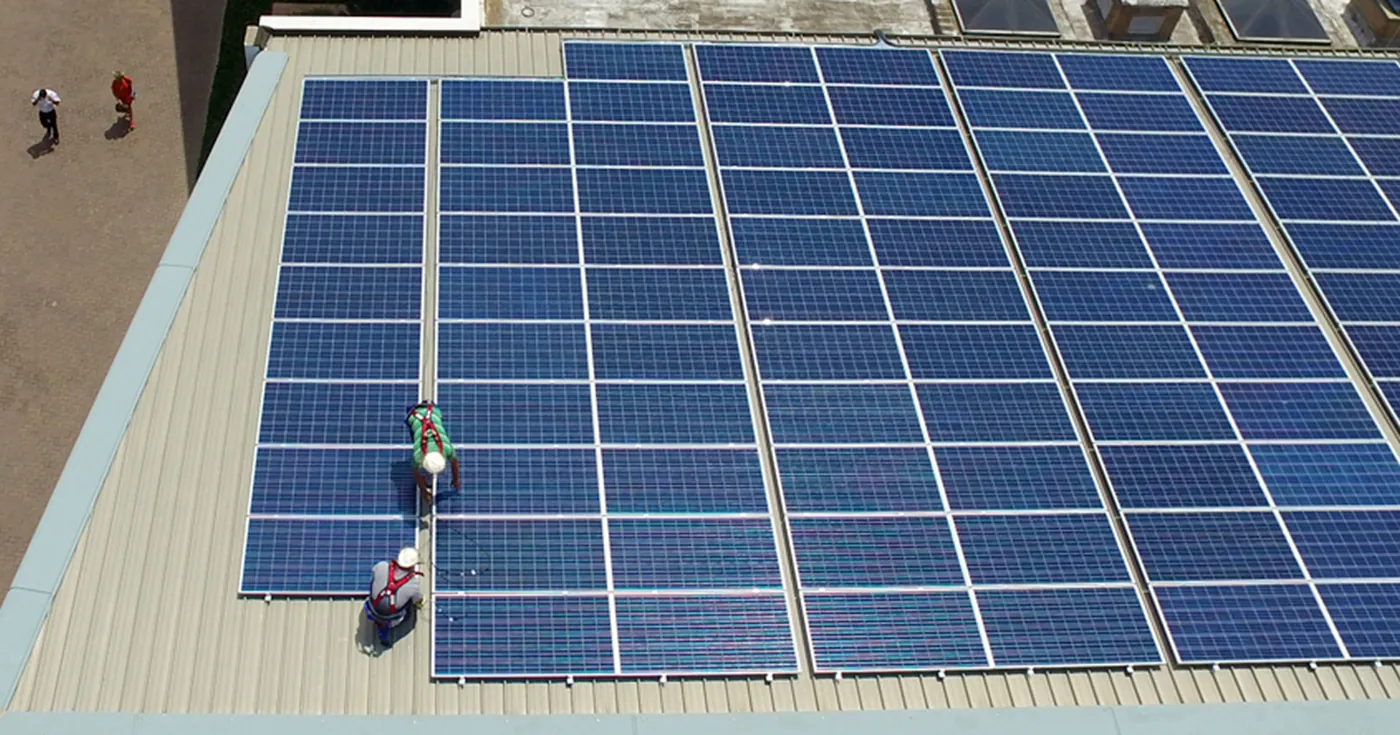
Mounting, structure and commissioning: racking calculated for the wind load of each site, wiring and connection.
Services
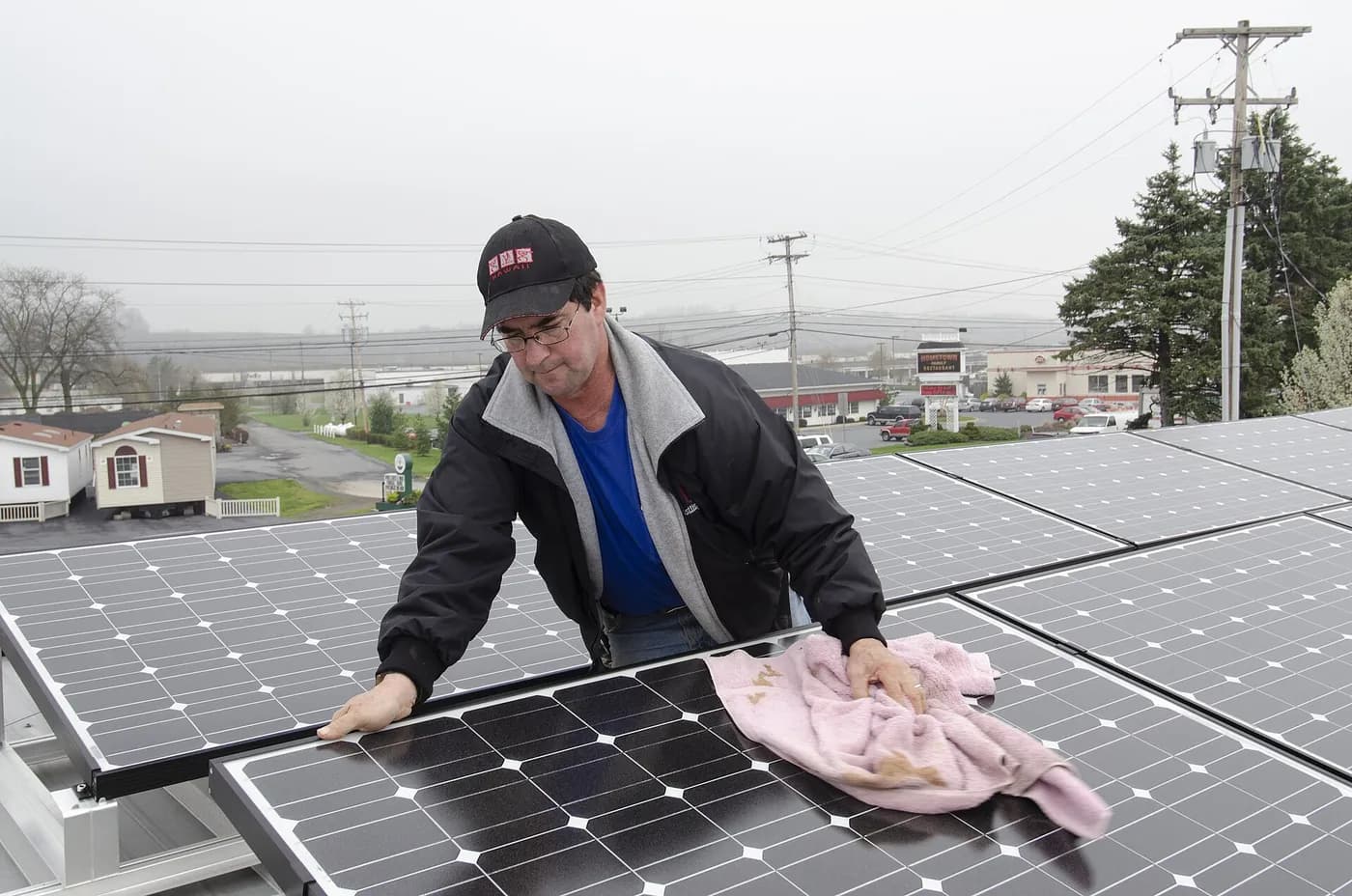
Scheduled cleaning, thermography and electrical inspection to hold generation steady over the system's life.
With your bills in hand we can tell you which part of your consumption is worth solving with solar, and which part is not.
Bills that climb with every statement, and a roof already taking sun all day. We size the system against your real consumption, handle the CFE interconnection and leave the bidirectional meter installed and measuring.
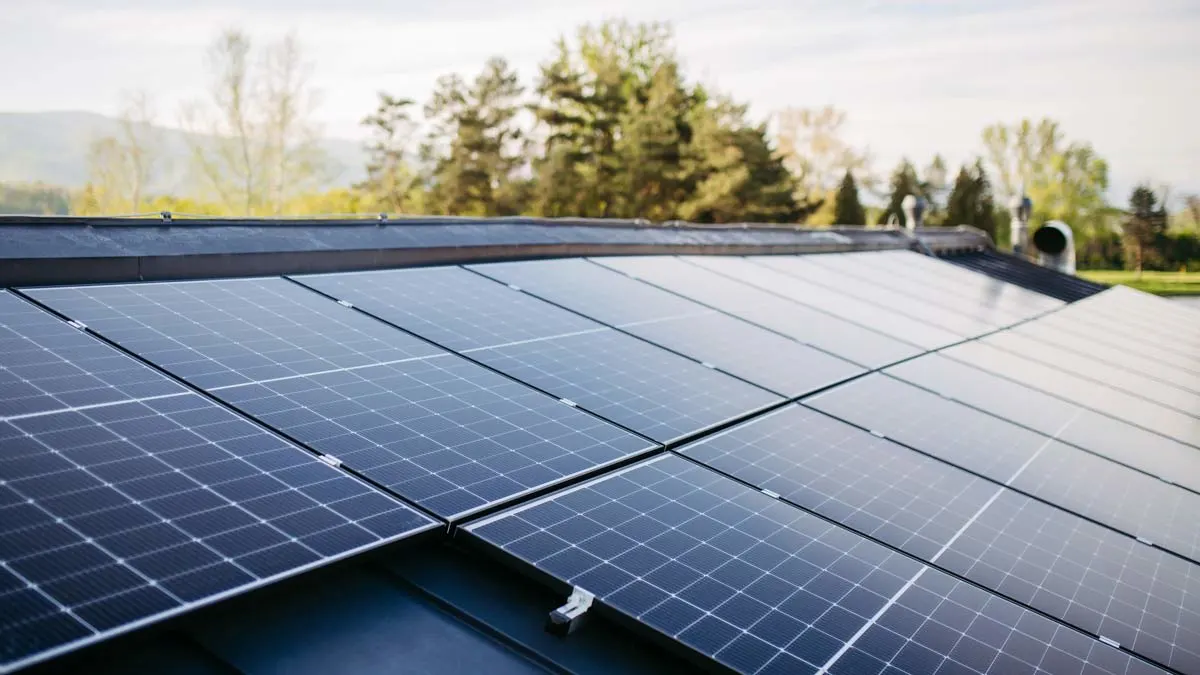
Businesses and agribusiness that consume while the sun is up. We mount on the roof with racking calculated for the wind load of the site, handle wiring and connection, and leave generation and consumption monitoring running.
Wells, irrigation and livestock supply where the grid does not reach, or reaches expensively. Sun-powered pumping with no dependence on the grid or on diesel, and scheduled maintenance so it keeps performing.
Adjust your electricity bill and explore an estimate of your solar savings.
$1,000MXN / month
$300$15,000
Equivalent to $1,000 MXN a month. Switching periods keeps your monthly result unchanged.
Estimated monthly savings
Indicative estimate in MXN. Savings are not guaranteed.
This model assumes savings of 90% of your monthly spend.
This model assumes 90% savings; the remaining 10% is a model result, not a calculation of CFE fixed or minimum charges. Consumption is inferred using an illustrative blended price of $2.50 MXN/kWh, not an official tariff. System sizing assumes 30-day months, 5.2 peak sun hours per day, a 78% performance factor and 590 W modules. These are model inputs, not measurements of your home. Annual savings represent 12 identical months.
This is not a quote or a guarantee of savings, generation or bill amounts. Actual consumption, tariff, applicable charges, location, roof conditions and shading must be reviewed for a proposal.
We review your consumption history and tariff to see what can be covered and what is not worth covering.
In detail
We need your recent bills. With real consumption and your tariff we can tell whether the project is justified before you spend anything on a visit.
We measure usable area, orientation, shading and the condition of the roof or the ground.
In detail
This is where the racking is decided: sheet metal is not concrete, and a clear roof is not one with trees to the west. Final sizing comes out of this visit.
Mounting, wiring and commissioning, with racking calculated for the conditions of the site.
In detail
It includes the CFE interconnection paperwork and the change to a bidirectional meter. We hand over the system running and measuring.
Generation monitoring and scheduled maintenance so the system keeps performing.
In detail
A solar system loses output slowly and quietly. Monitoring catches the drop and maintenance corrects it before it shows up on the bill.
Yes, with lower output: modules still use diffuse radiation. Sizing is done against the annual average, so sunnier months offset the darker ones.
On a grid-tied system, usually not: surplus goes to the grid and is credited on your bill. Batteries make sense when you want backup during outages, or where there is no grid at all, as in many rural installations.
Periodic cleaning and an annual electrical inspection. In a humid climate it is also worth watching shade from vegetation and organic build-up on the modules.
Manufacturers typically warrant module performance for 25 to 30 years, with a gradual loss of efficiency. Inverters have a shorter service life and are replaced at least once in that period.
A grid-tied system needs an interconnection contract and a bidirectional meter that records what you consume and what you export. The paperwork is part of the project.
A typical residential system is mounted in a few days once the material is on site. Total timing depends on equipment supply and on the interconnection process.